Gustav KlimtLife, work & the age of gold
The painter who wrapped lovers, heiresses and allegories in gold leaf, led the Vienna Secession, and turned the walls of fin-de-siècle Vienna into some of the most recognisable images in Western art.
“To every age its art, to art its freedom.” — the motto above the door of the Secession building Klimt helped found.
A painter of gold
and longing
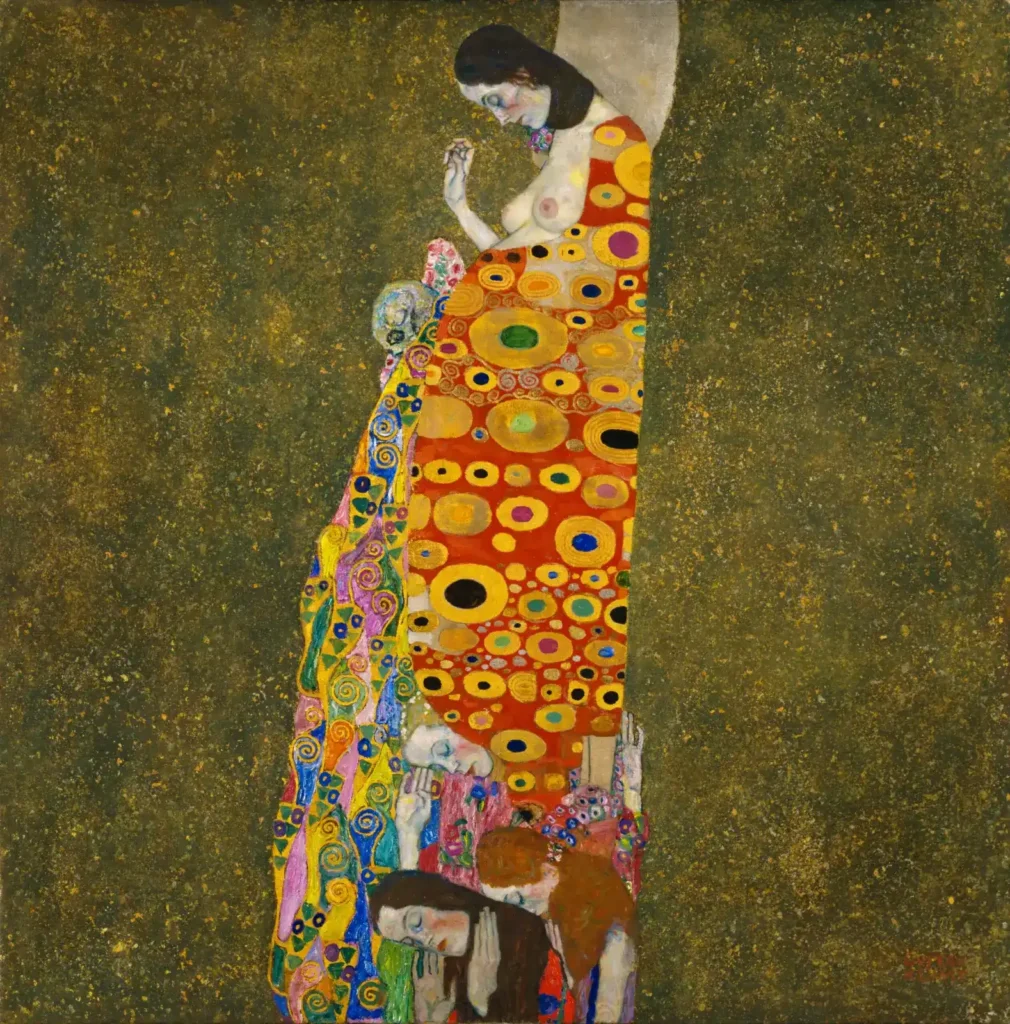
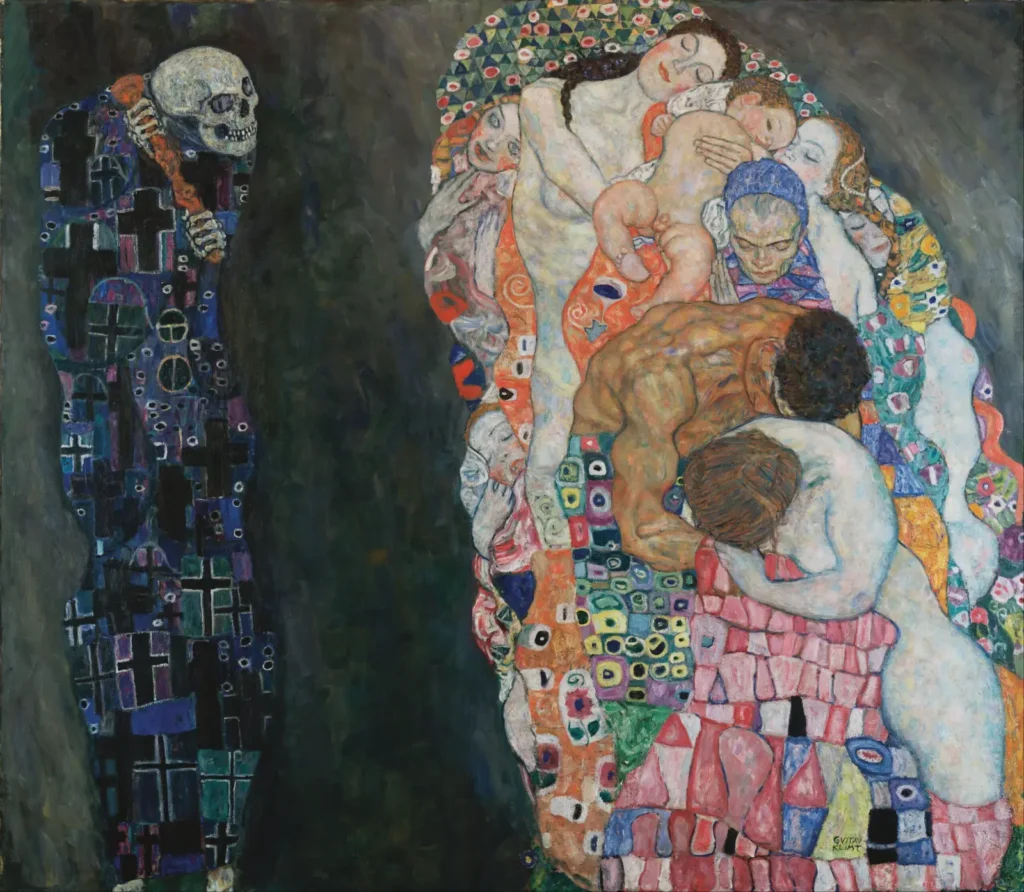
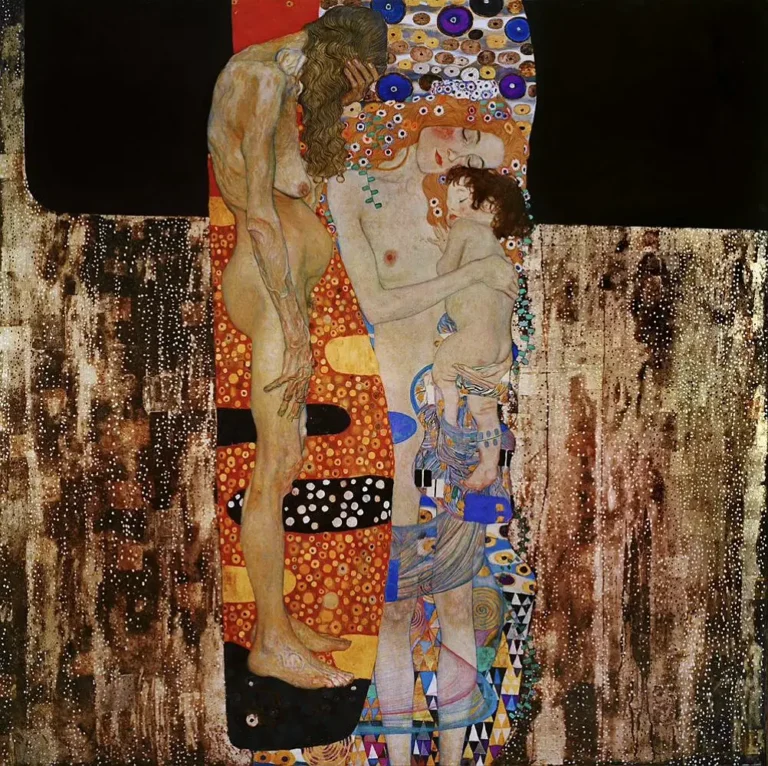
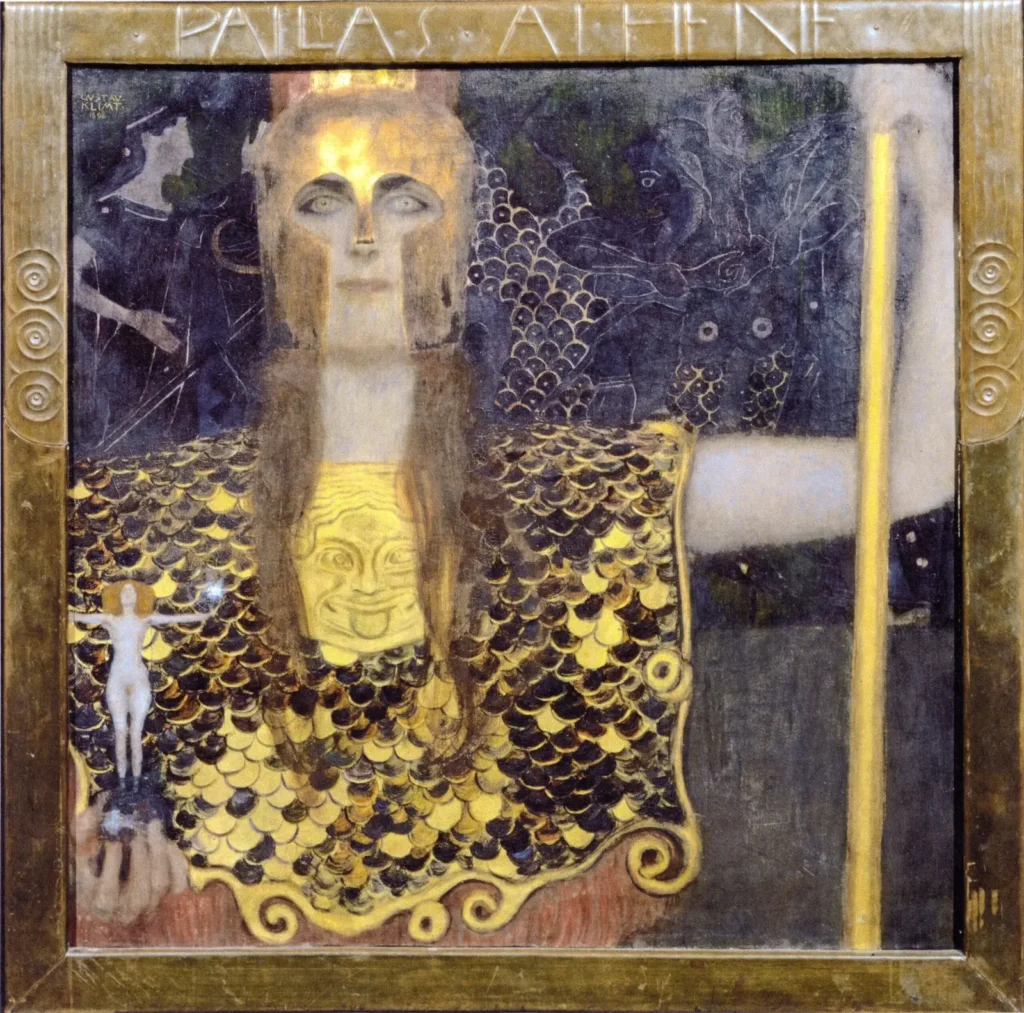
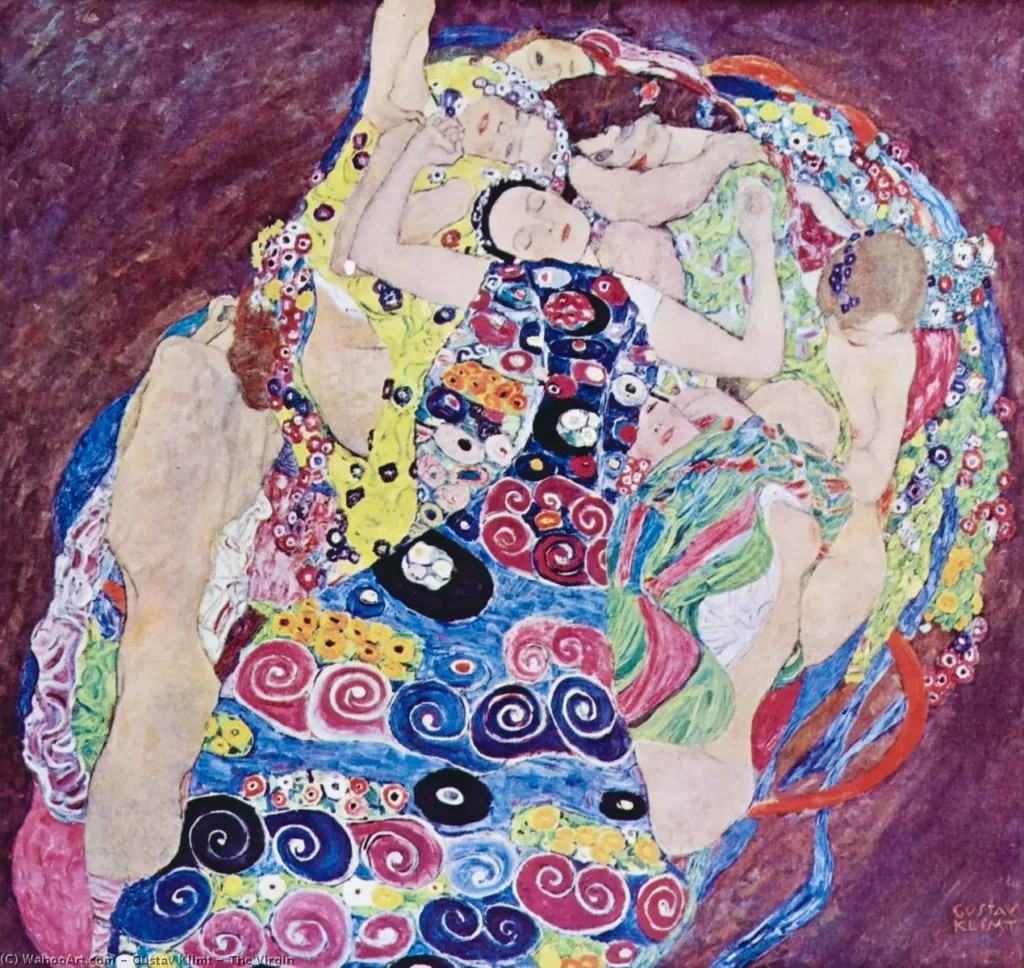
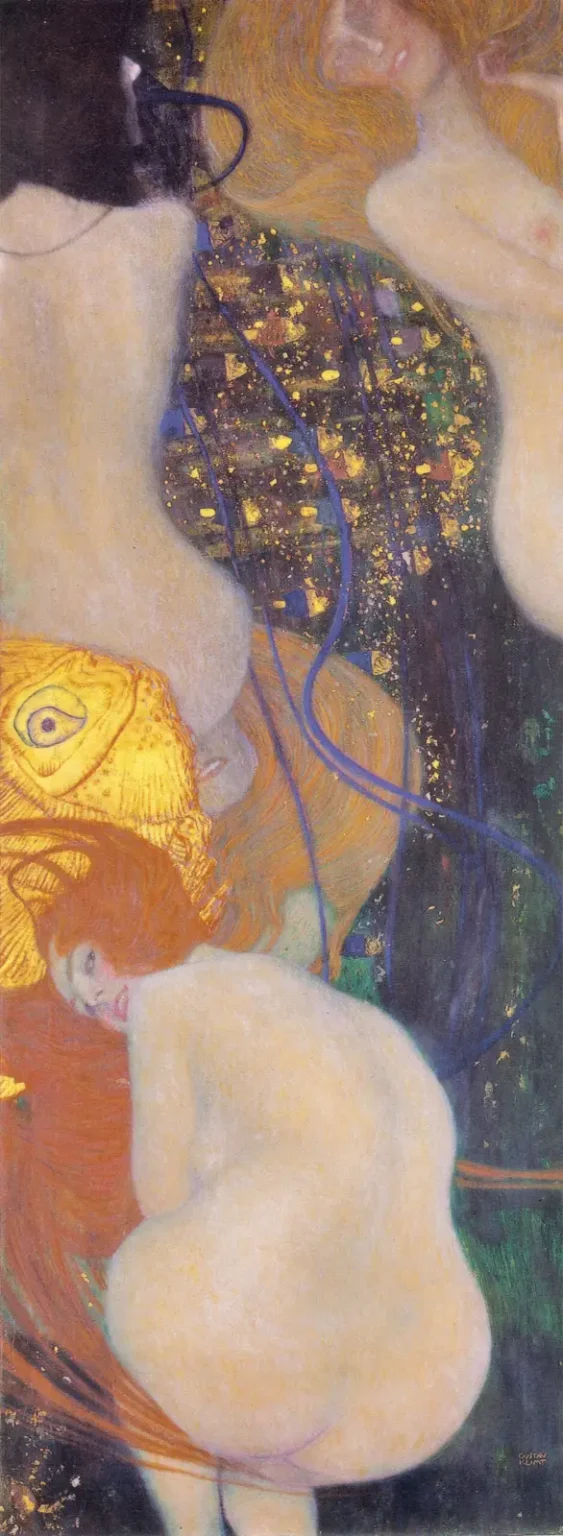
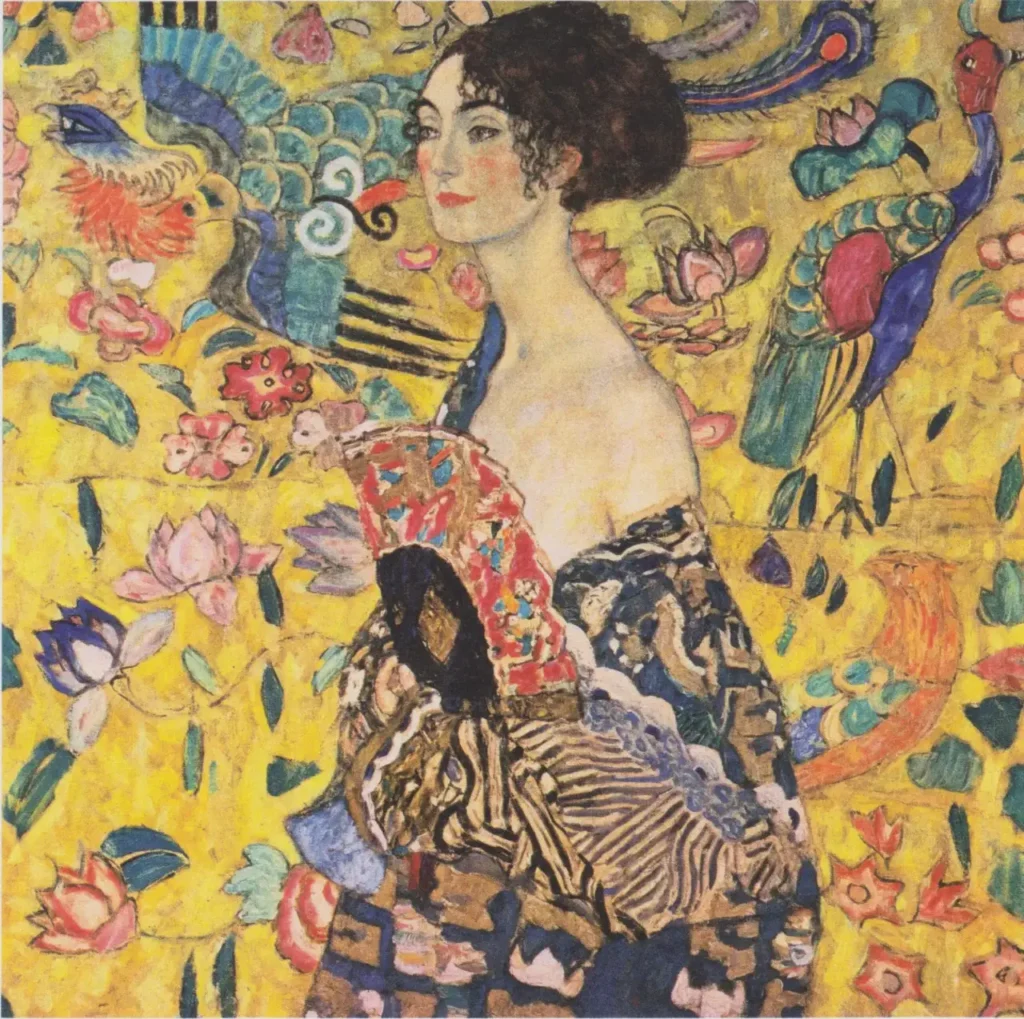
From the shimmering portraits of Vienna’s patrons to the great allegories of love, life and death, these are the works that made Klimt’s name.
Painted in gold leaf
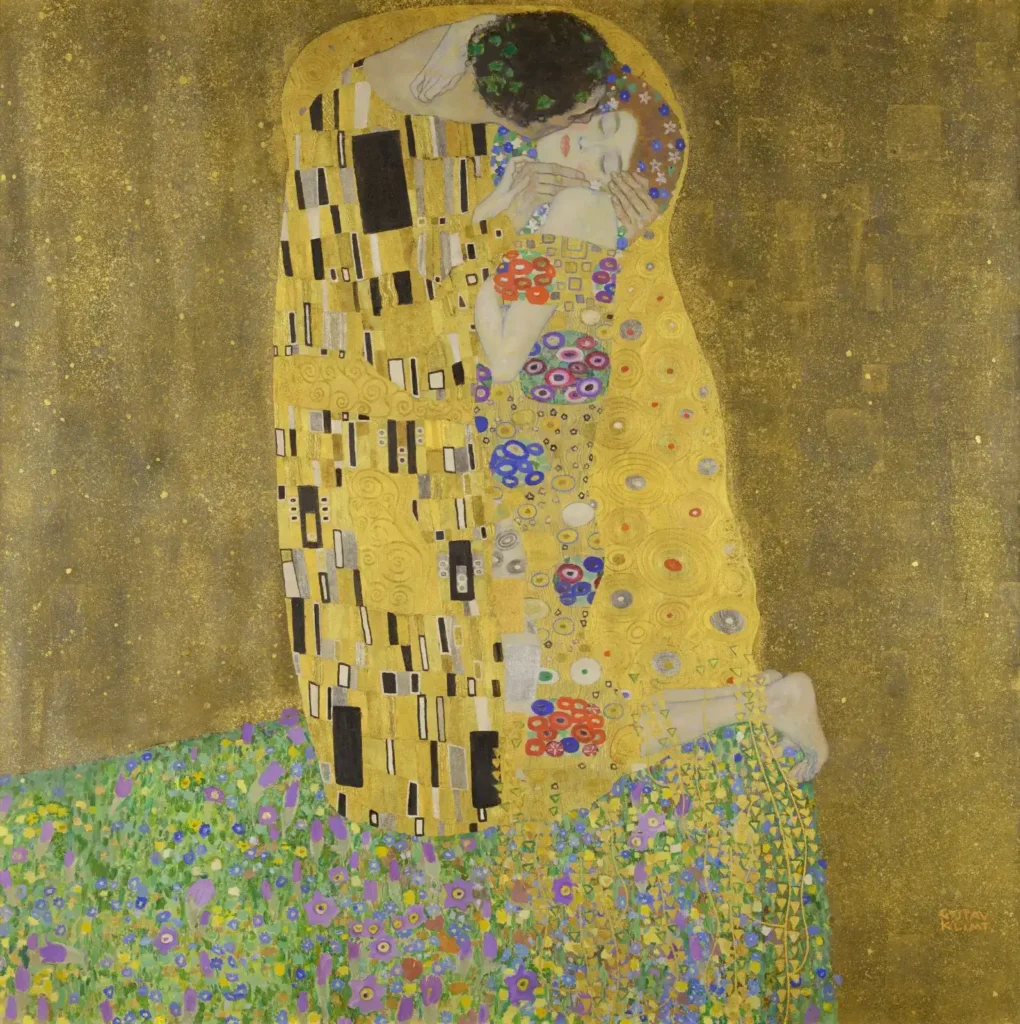
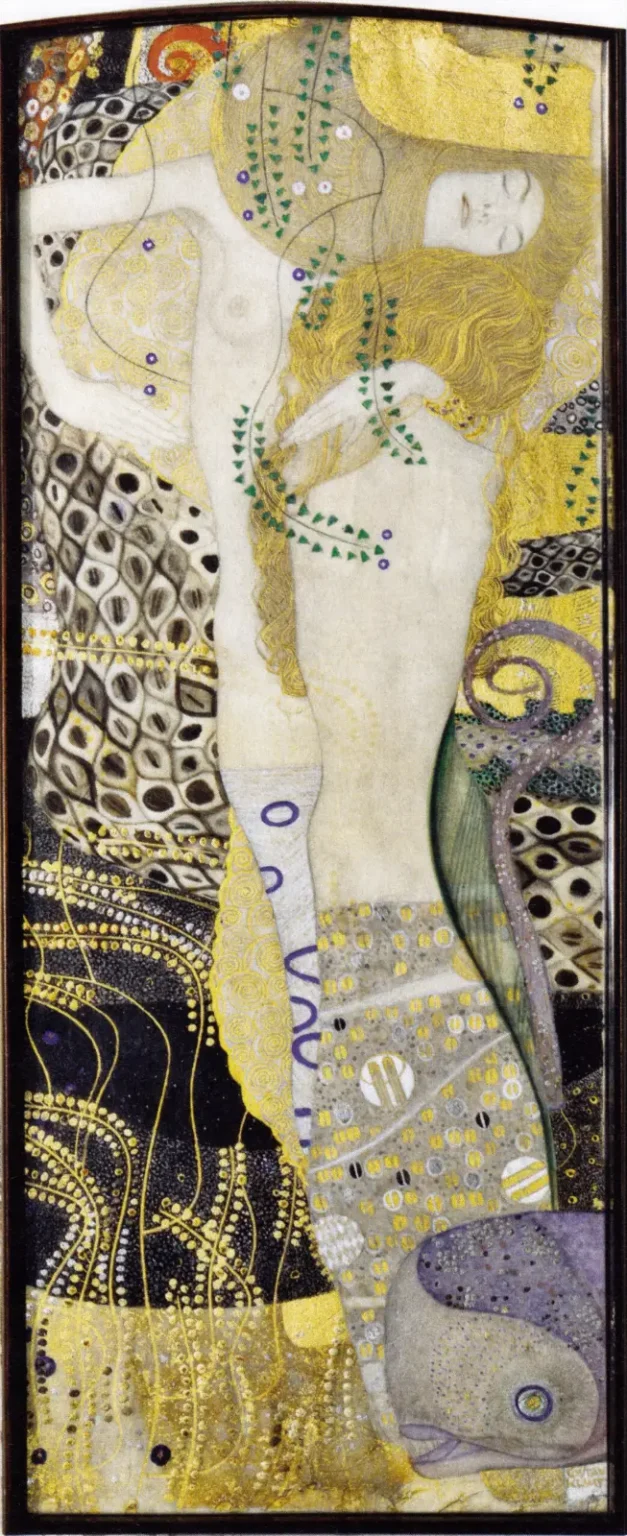
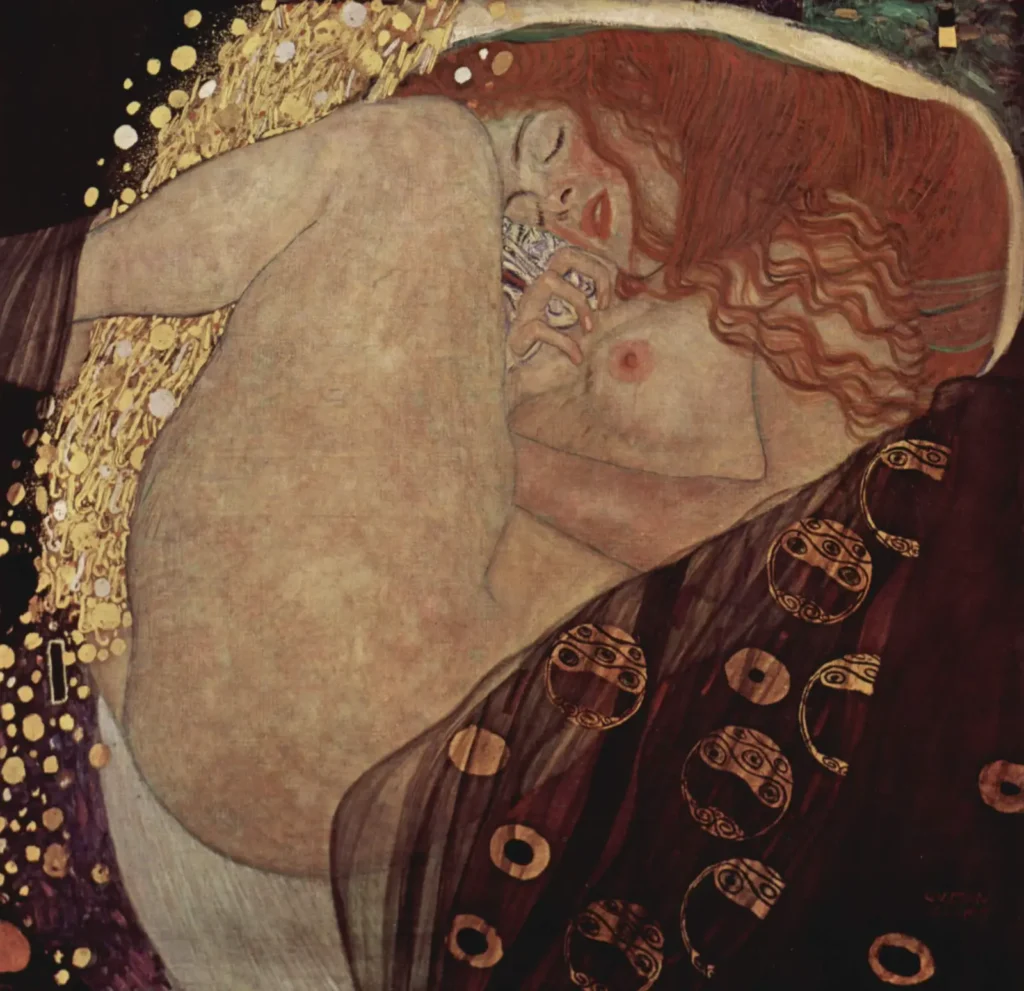
Around 1900 Klimt began laying real gold and silver leaf into his canvases, drawing on the Byzantine mosaics he saw at Ravenna and on his father’s craft as an engraver.
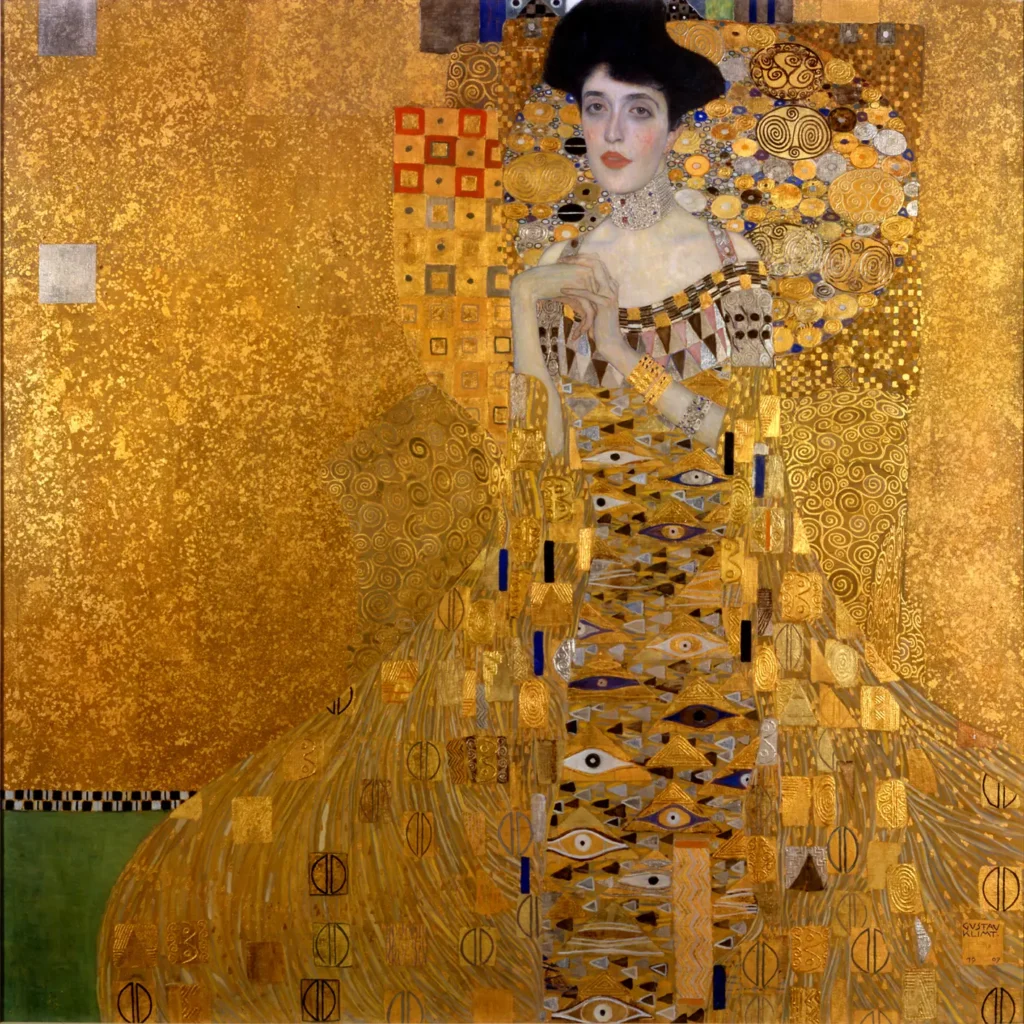
The result was a body of work unlike anything else in modern painting, culminating in The Kiss and the Portrait of Adele Bloch-Bauer I, the “Woman in Gold” whose return to her heirs became one of the most famous restitution cases of the century.
The Golden Phase The Woman in GoldThe Beethoven Frieze
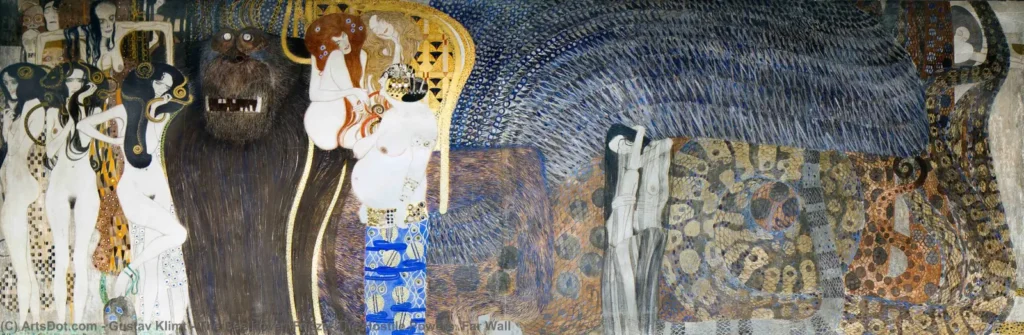
Painted for the 14th Secession exhibition, a celebration of Beethoven, the frieze traces humanity’s longing for happiness through hostile forces to fulfilment in the “Ode to Joy”. It still runs around three walls of the Secession building’s basement. Read about the frieze
From engraver’s son
to master of Vienna
Fifty-five years that spanned the end of the Habsburg empire and the birth of modern art. See the full timeline
Born in Baumgarten, near Vienna, the second of seven children.
Wins a place at the Vienna School of Arts and Crafts.
Forms the Künstler-Compagnie with his brother Ernst and Franz Matsch.
Commissioned to paint the ceiling of the University of Vienna’s Great Hall.
Leads the break-away Vienna Secession as its first president.
Unveils the Beethoven Frieze at the 14th Secession exhibition.
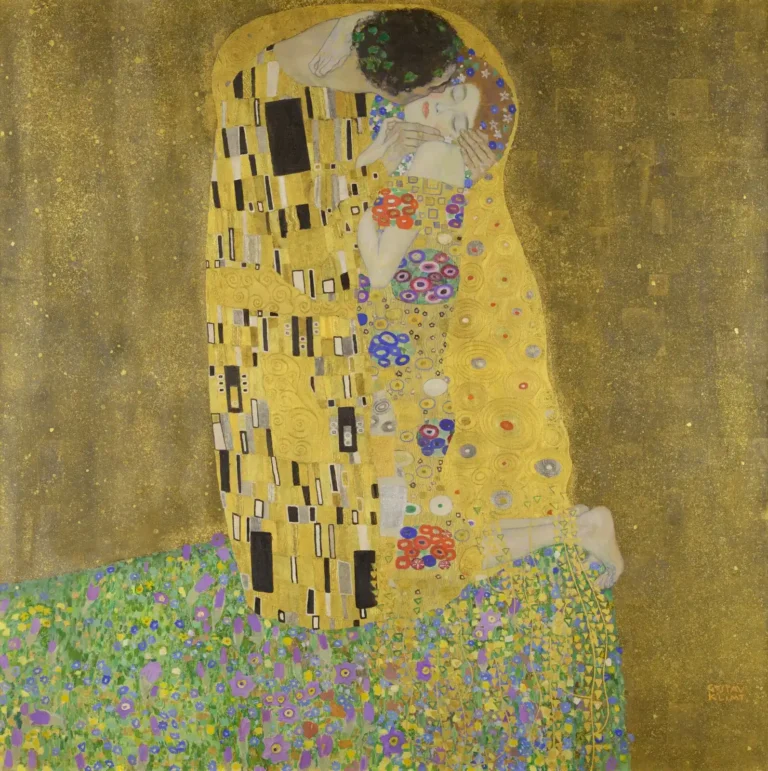
Paints The Kiss, bought by the Austrian state before it was finished.
Dies in Vienna on 6 February after a stroke, aged 55.
The landscapes
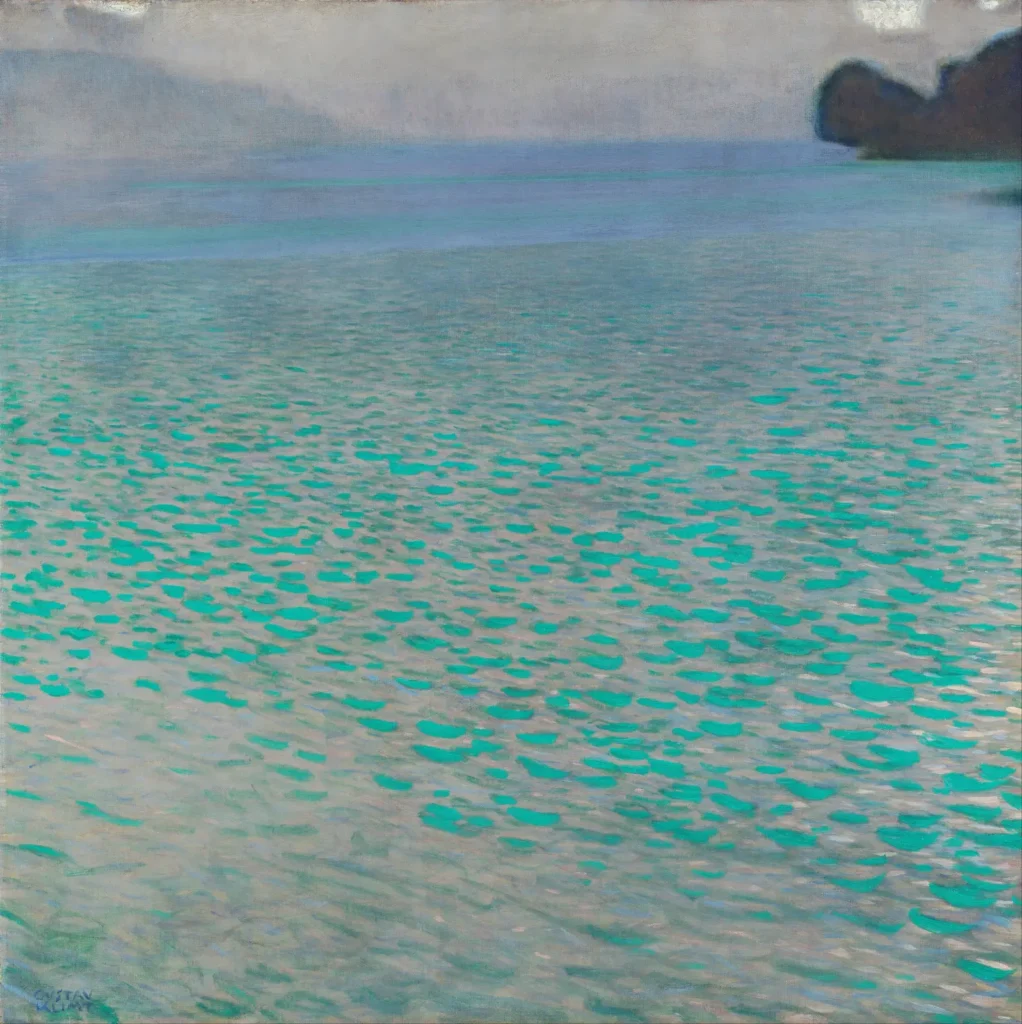
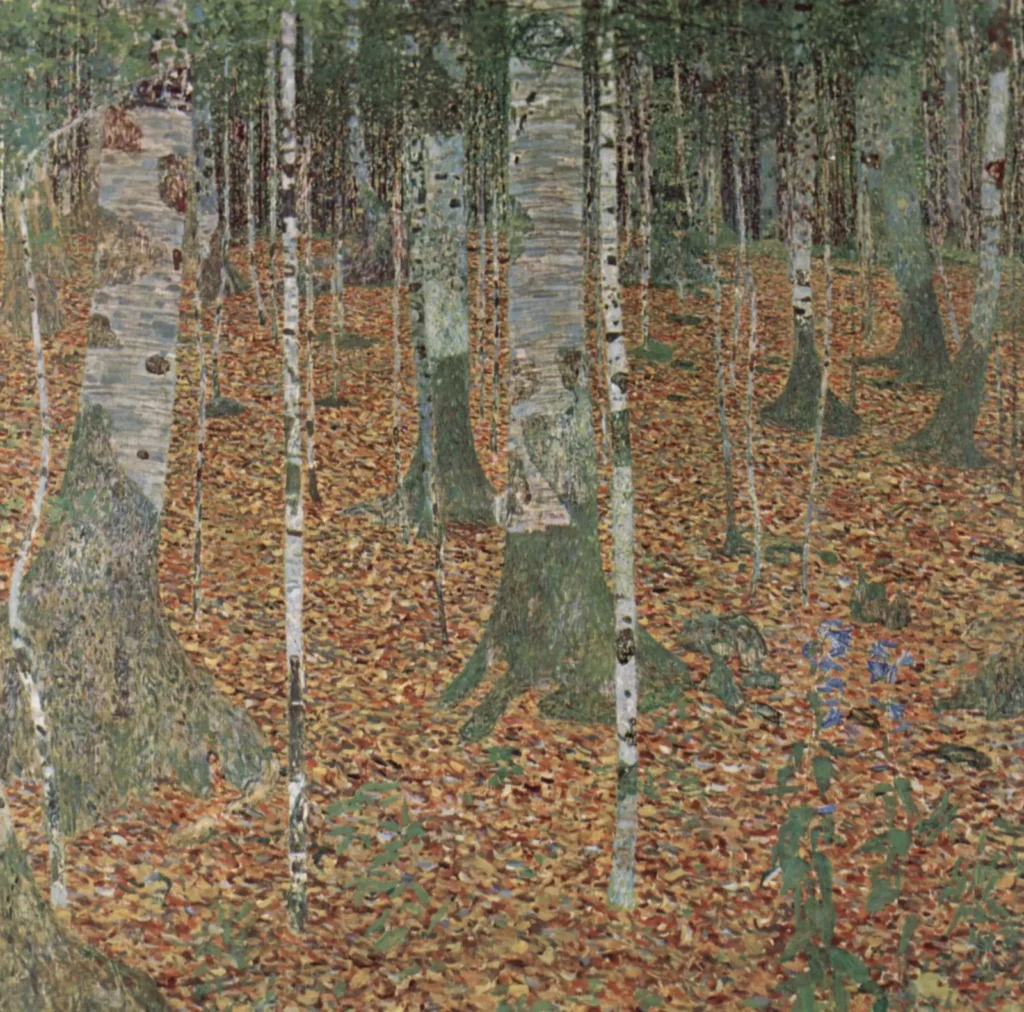
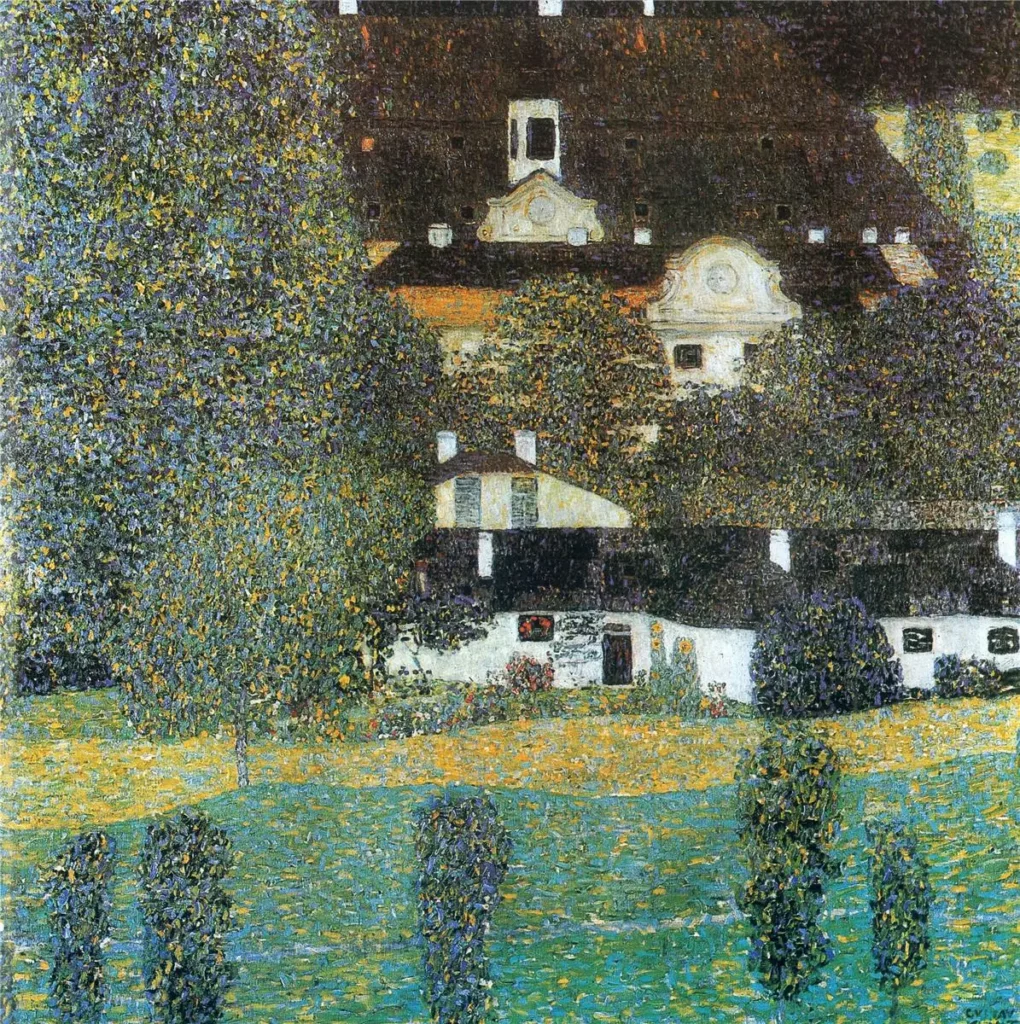
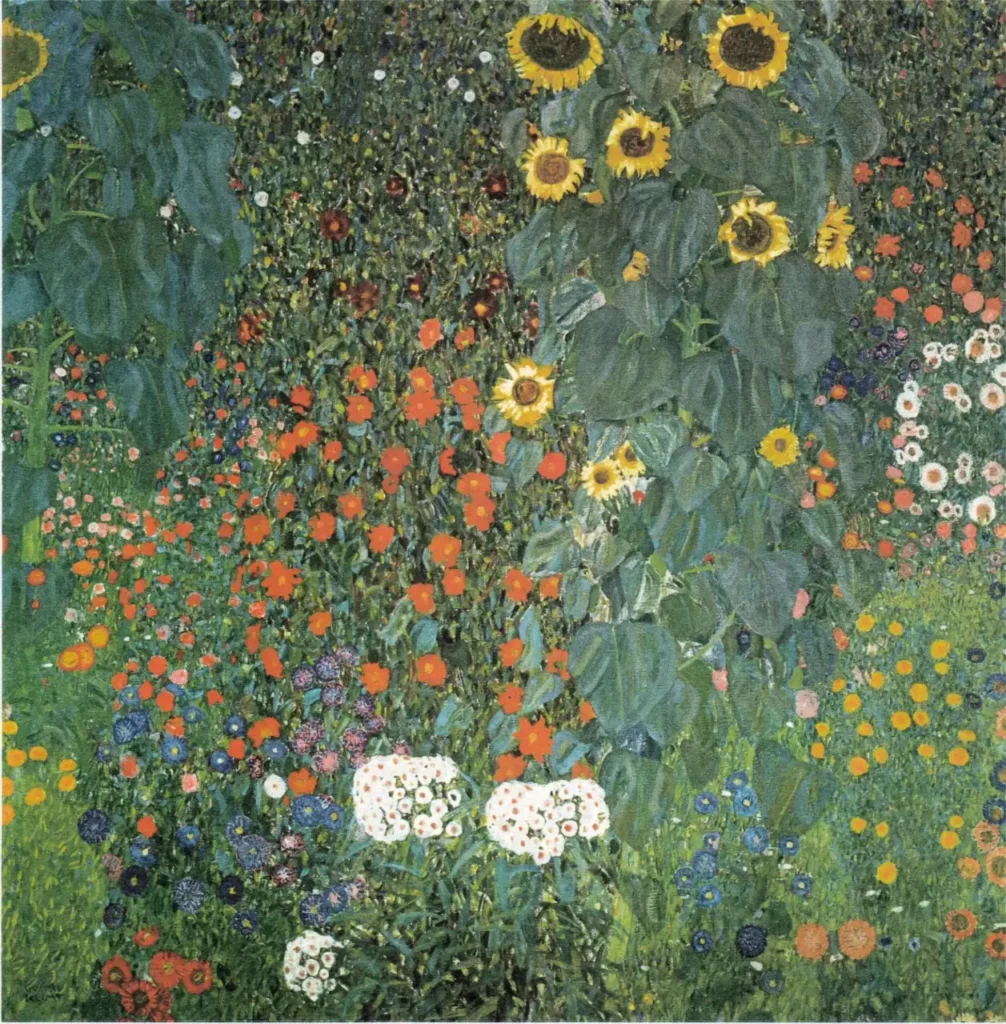
Each summer Klimt left Vienna for the lakes of the Salzkammergut, painting square canvases of water, forest and shoreline, often through a telescope. Explore the landscapes
Find any Klimt painting
Every painting in our catalogue has its own page. Start from a period, a museum or the best-known works.
By period
By museum
Go deeper
Guides, stories and tools for everyone who loves Klimt’s work, from first-time visitors to Vienna to designers and teachers.
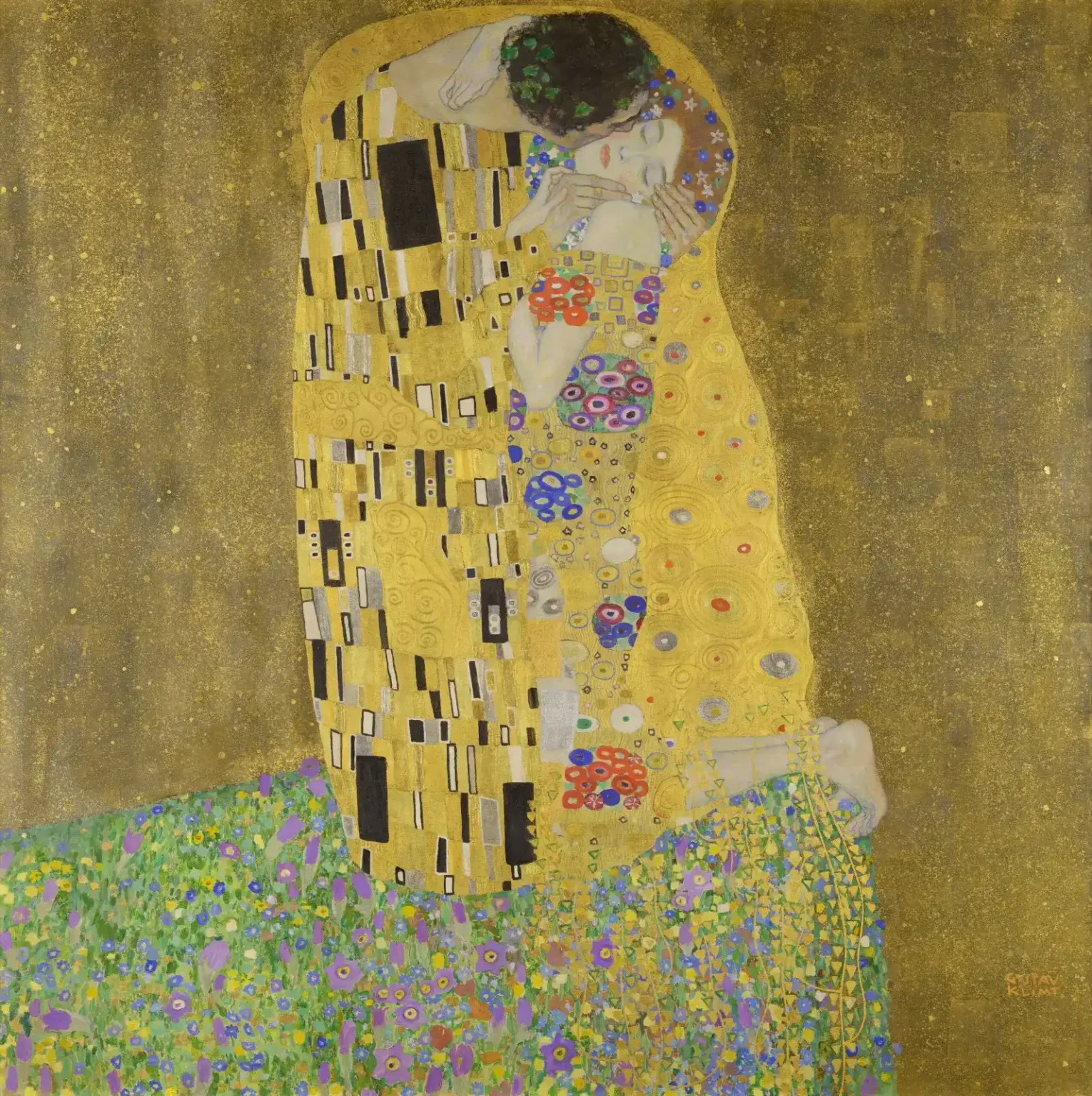
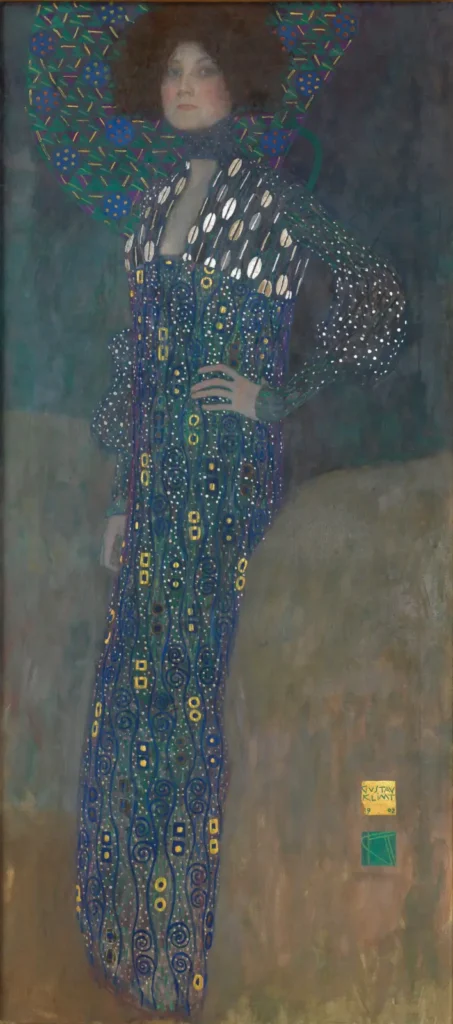
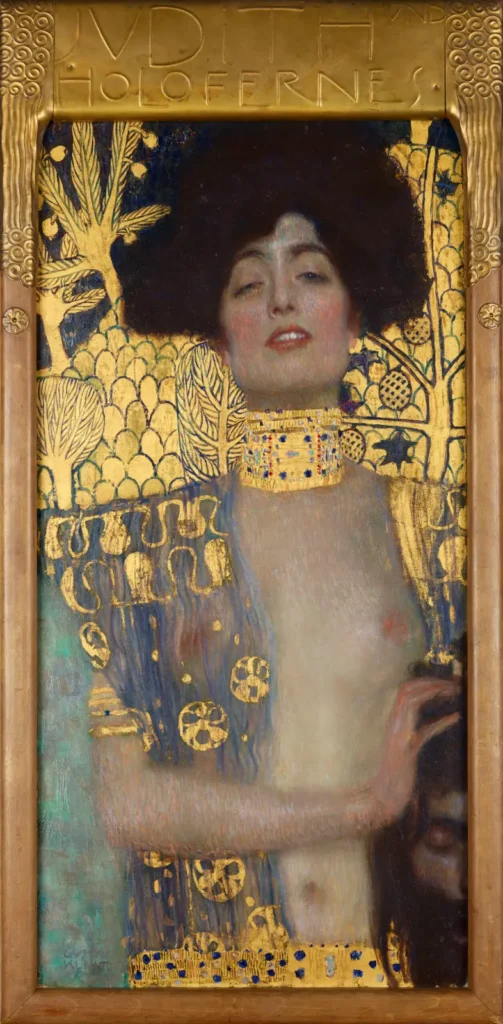
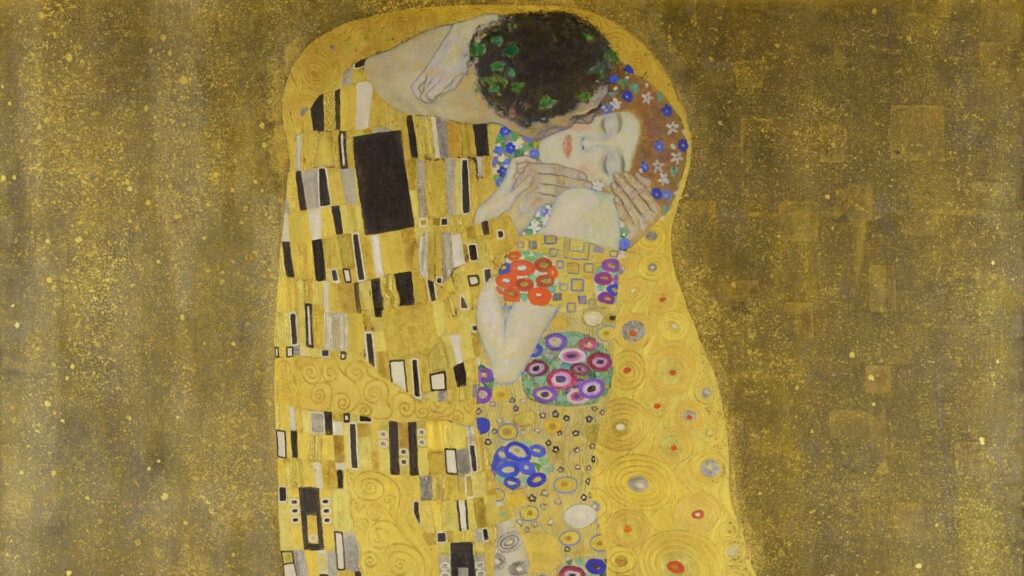
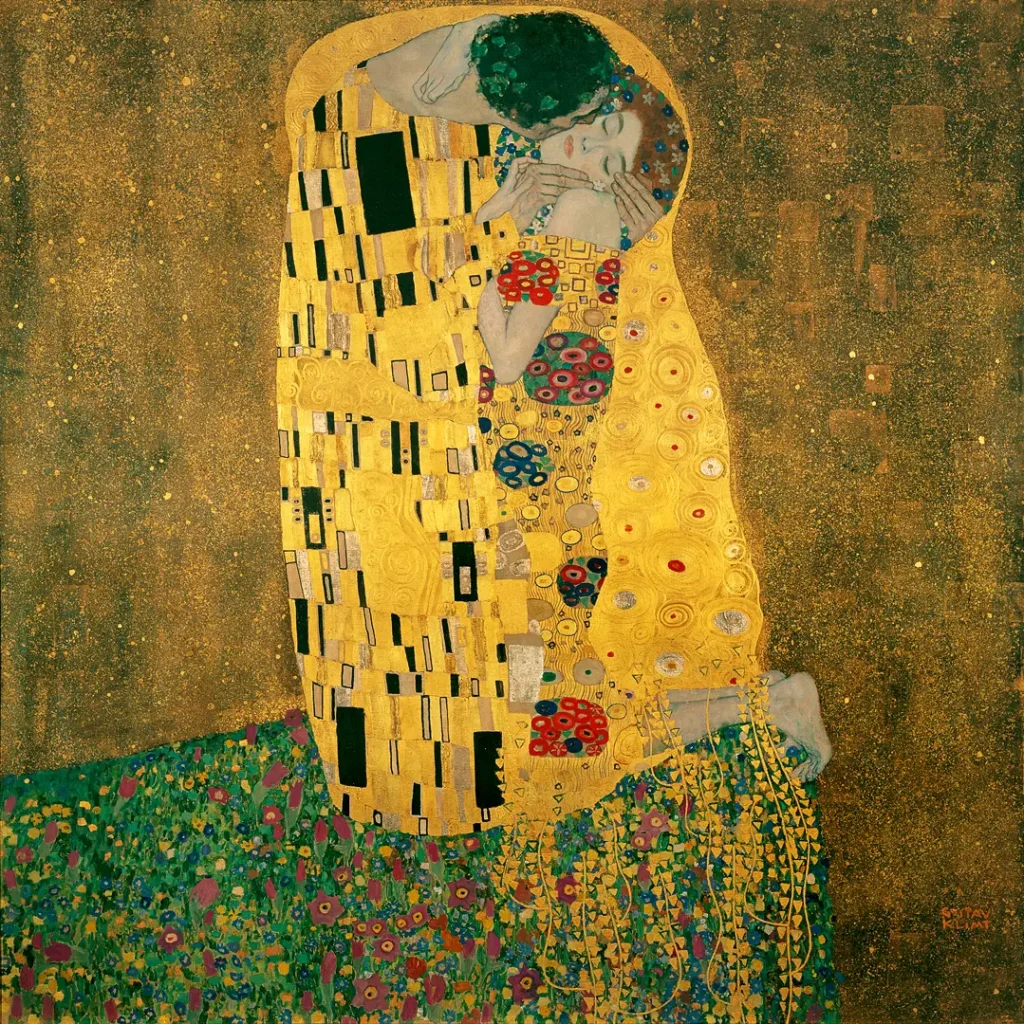
The Kiss
1907–08
A different Klimt every day. Come back tomorrow for another, or browse all Klimt paintings.
Discover the paintingThe Life of Gustav Klimt
Gustav Klimt (14 July 1862 – 6 February 1918) was an Austrian painter and the leading artist of Vienna around 1900. A founder and first president of the Vienna Secession, he is best known for the gold-covered paintings of his Golden Phase, above all The Kiss (1907–08) and the Portrait of Adele Bloch-Bauer I (1907). His work, which brings together painting, ornament and design, made him one of the most popular artists in the world.
Early life and training
Klimt was born in Baumgarten, just outside Vienna, the second of seven children of Ernst Klimt, a gold engraver from Bohemia, and Anna Finster. The family was poor. In 1876, at 14, he won a place at Vienna’s School of Arts and Crafts, where he trained as an architectural decorator. His brother Ernst followed him there. Read more about his childhood and family.
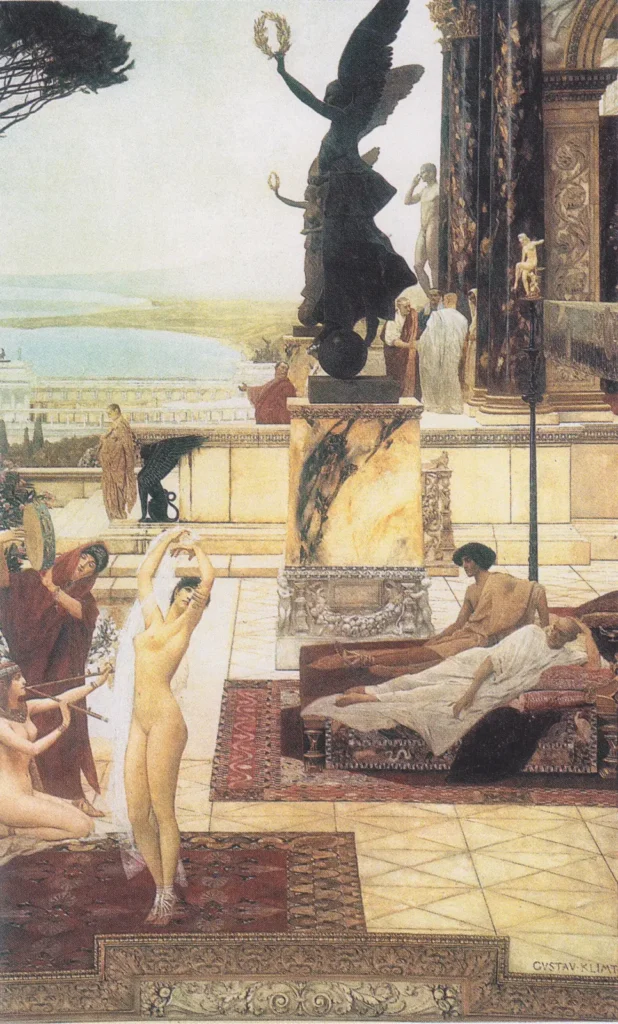
With Ernst and their classmate Franz Matsch, Klimt formed the Künstler-Compagnie, which painted theatres across the Austro-Hungarian empire. Its big Vienna commissions, the ceilings of the Burgtheater (1886–88) and the staircase of the Kunsthistorisches Museum (1890–91), made the young painters famous and can still be seen today.
The Secession and the scandal
In 1892 Klimt’s father and brother Ernst both died, and his art began to change. In 1897 he and other young artists broke away from Vienna’s conservative artists’ association to form the Vienna Secession, with Klimt as its first president, under the motto “To every age its art, to art its freedom”. The Secession brought international modern art to Vienna and built its own exhibition hall, still standing near Karlsplatz.
At the same time Klimt was painting three huge ceiling paintings for the University of Vienna, Philosophy, Medicine and Jurisprudence. Their pessimistic vision and nude figures caused a public outcry, and in 1905 Klimt returned the fee and took the paintings back. All three were destroyed by fire in 1945; see the Faculty Paintings. After the scandal Klimt worked almost only for private patrons.
The Golden Phase
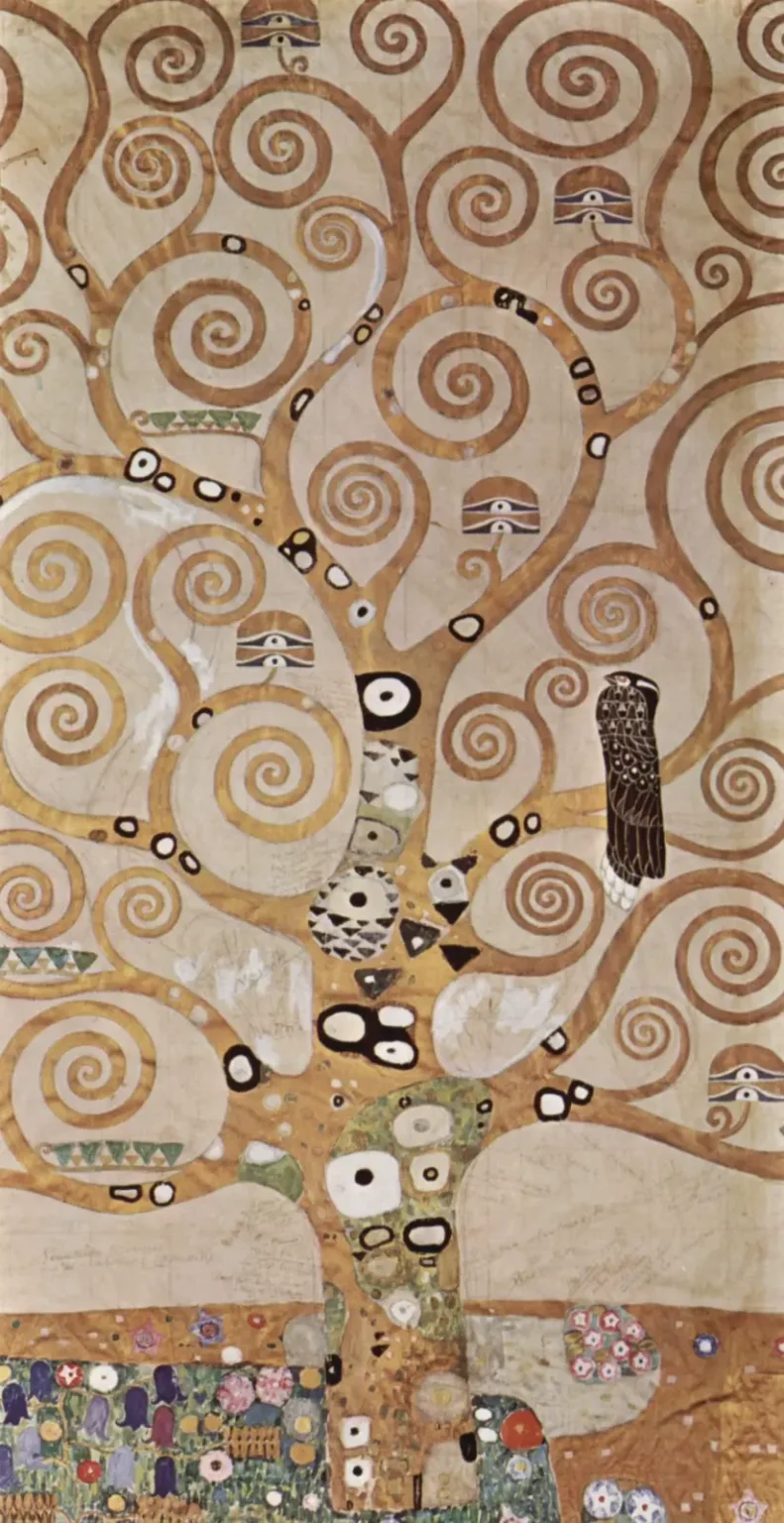
From about 1899 to 1910 Klimt made the works for which he is most famous, using real gold leaf alongside oil paint, inspired partly by his father’s craft and partly by the Byzantine mosaics he saw in Ravenna in 1903. They include Judith I (1901), the Beethoven Frieze (1902), the Portrait of Adele Bloch-Bauer I (1907), Danaë and The Kiss, which the Austrian state bought at the Kunstschau of 1908. He also designed the mosaic Stoclet Frieze, with its famous Tree of Life, for a mansion in Brussels built by the Wiener Werkstätte.
Landscapes and summers at the Attersee
Every summer from 1900 Klimt stayed on the Attersee, a lake in the Austrian Alps, with his lifelong companion, the fashion designer Emilie Flöge, and her family. There he painted almost all of his roughly fifty landscapes: square views of the lake, forests, flower gardens and the castle of Schloss Kammer, packed with colour like a tapestry. See Klimt at the Attersee.
Late work
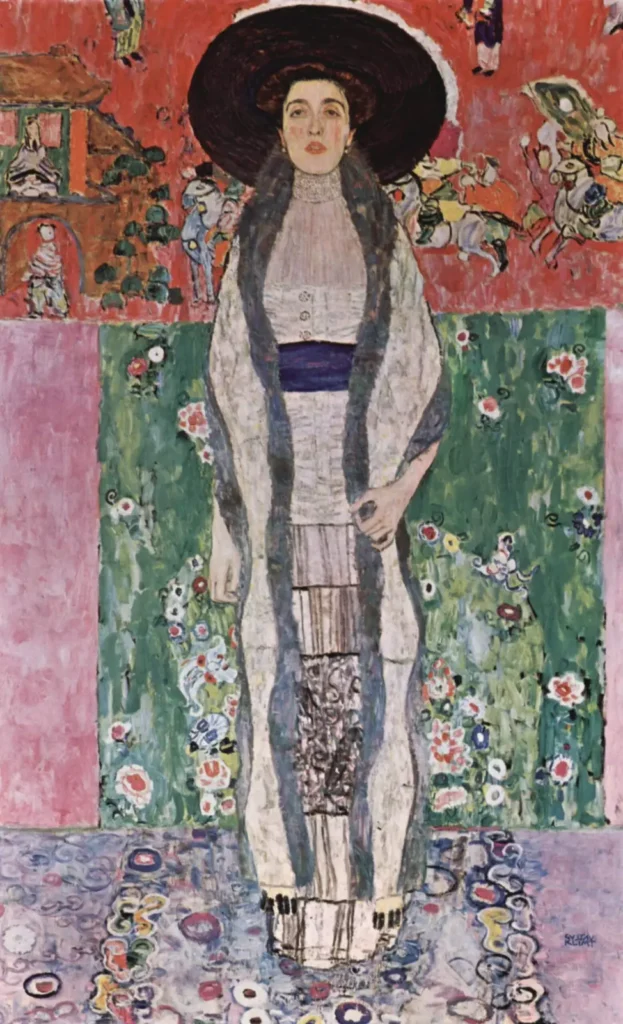
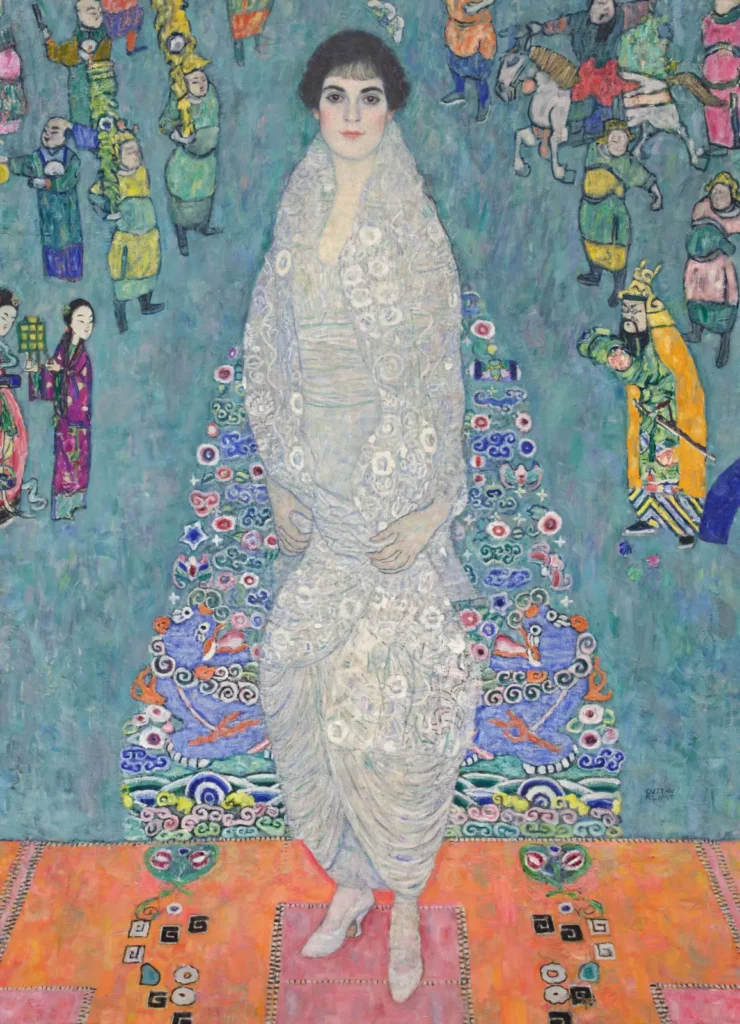
After 1910 Klimt moved away from gold towards bright colour and pattern borrowed from Japanese and Chinese art, in portraits such as Adele Bloch-Bauer II (1912), Mäda Primavesi and Lady with a Fan. He encouraged younger artists, above all Egon Schiele, and drew constantly; thousands of his drawings survive. His late paintings were made in his garden studio in Hietzing, now the Klimt Villa.
Death and legacy
In January 1918 Klimt suffered a stroke, and he died of pneumonia in Vienna on 6 February 1918, aged 55, leaving several paintings unfinished; see Klimt’s death. Many works owned by his Jewish patrons were seized by the Nazis, and some were destroyed in 1945. The long fight of Maria Altmann to recover her aunt’s portrait became the story of The Woman in Gold. Today Klimt’s paintings sell for record prices (see the most expensive Klimt paintings) and The Kiss is one of the most reproduced images in the world. Read about Klimt’s legacy.
Explore iKlimt
Browse all Klimt paintings, follow his life year by year on the timeline, plan a visit with where to see Klimt, discover Vienna 1900, walk in his footsteps with the map of Klimt’s Vienna, check current Klimt exhibitions, or try our free tools: zoom into The Kiss and the Woman in Gold, the Klimt pattern maker, the 2027 Klimt calendar, wallpapers, free images, colouring pages, the Klimt quiz and which Klimt painting are you? Everything is listed on the site map.
Step inside Klimt’s world
Discover the stories, symbols and secrets behind each of his paintings.
Browse the masterworks Take the Klimt quiz Klimt FAQ